I took a long walk near my home in the middle of winter. It was a dreary day. Overcast. Colorless. Chilly. Lifeless.
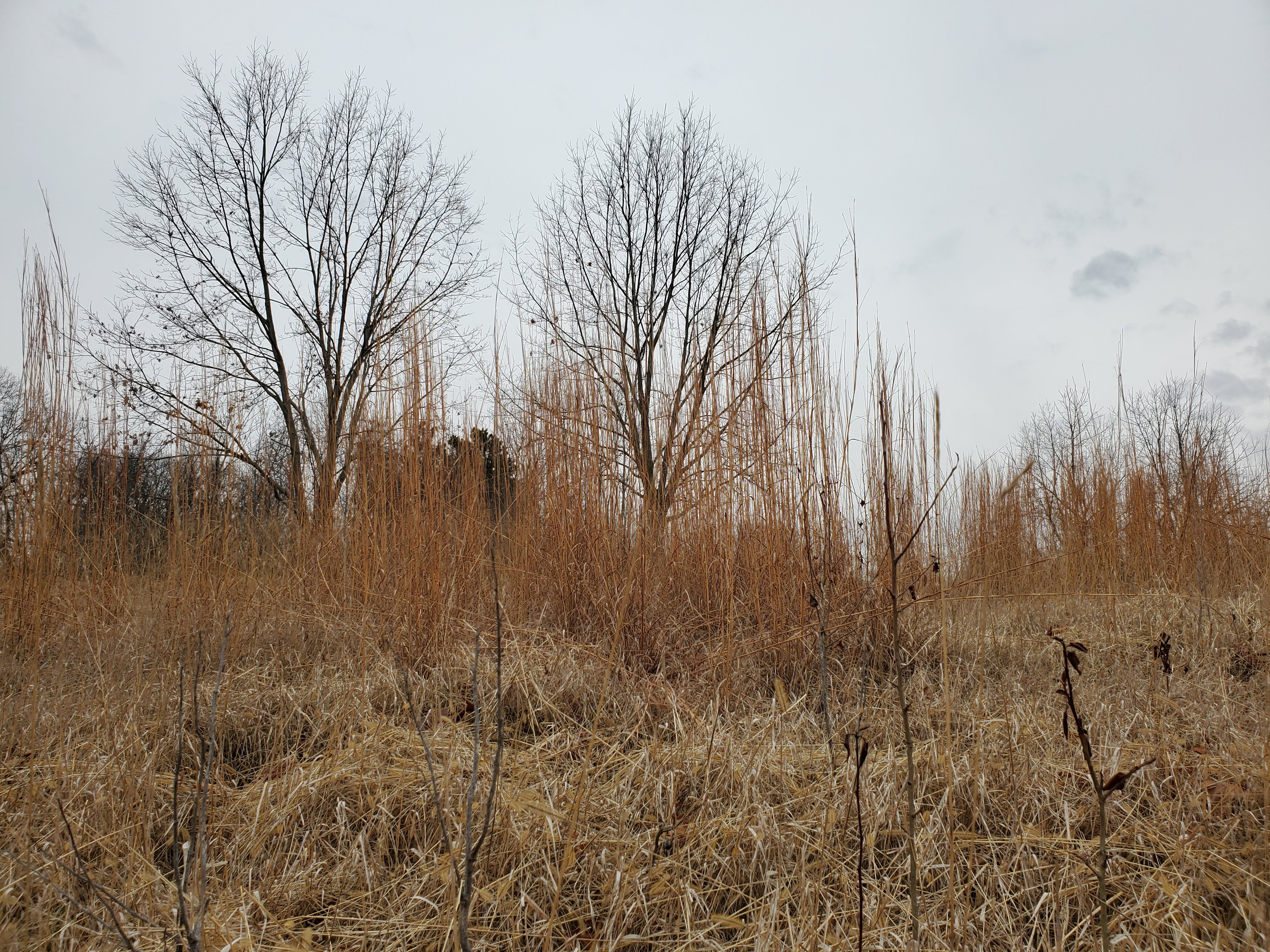
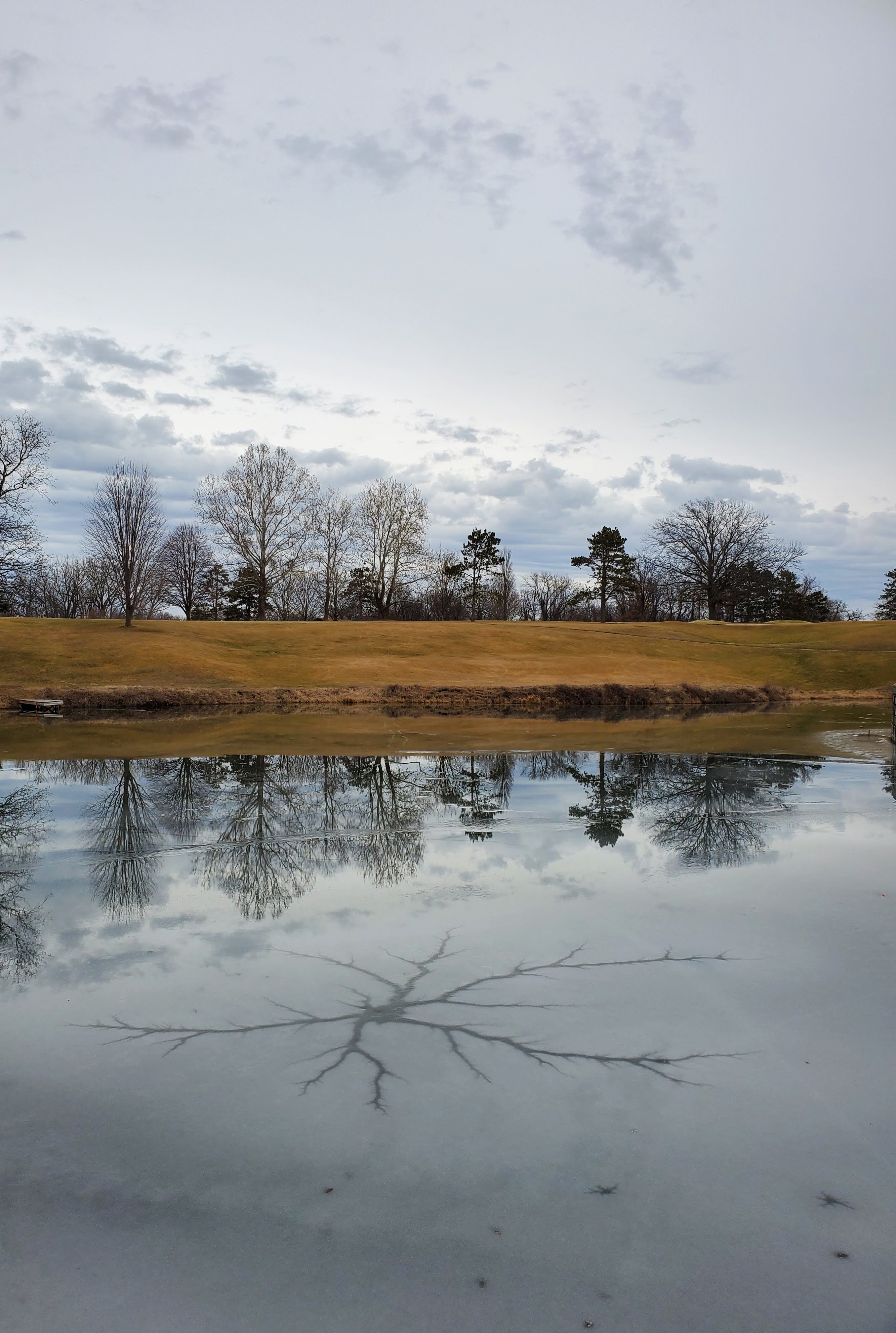


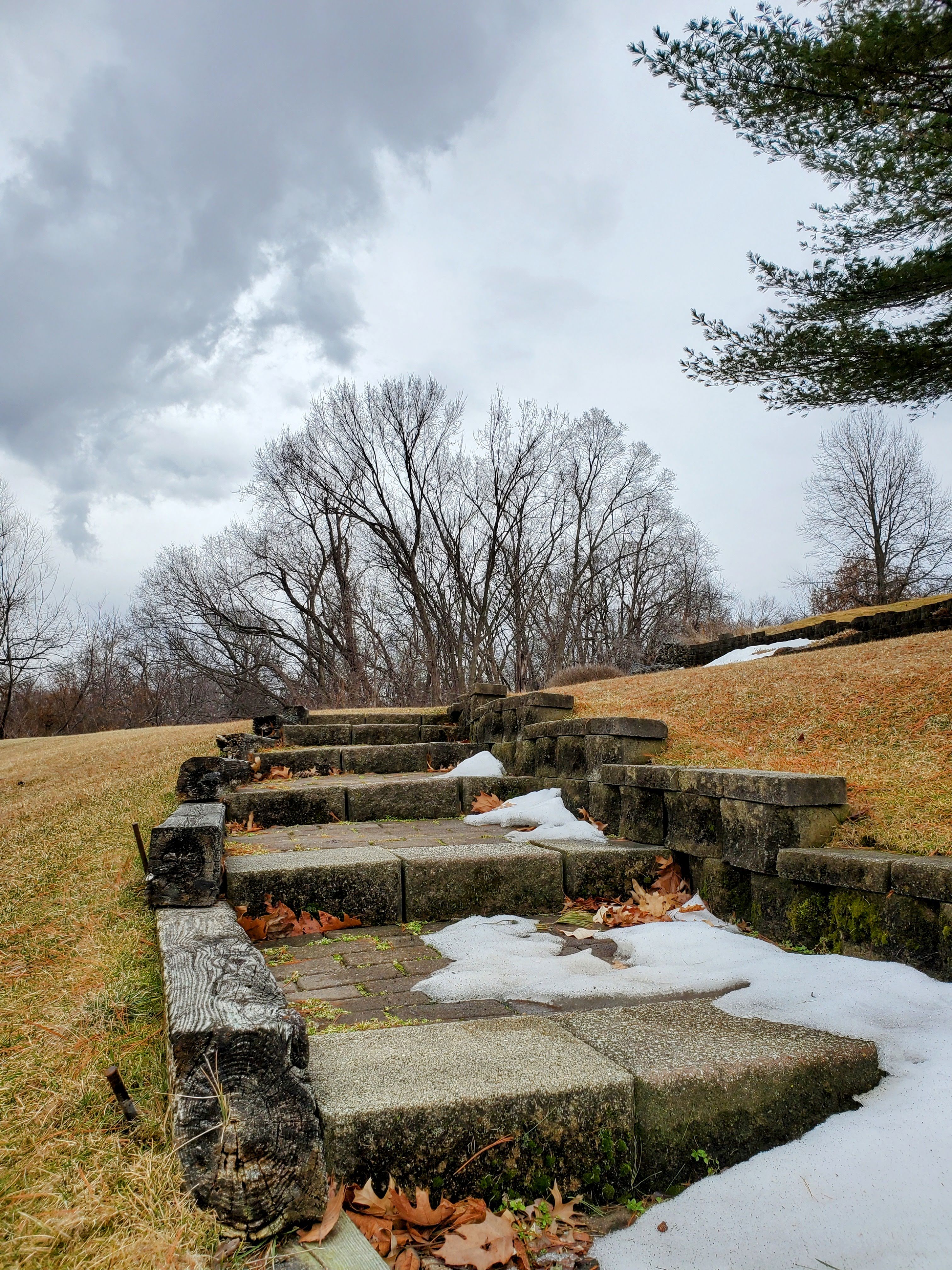
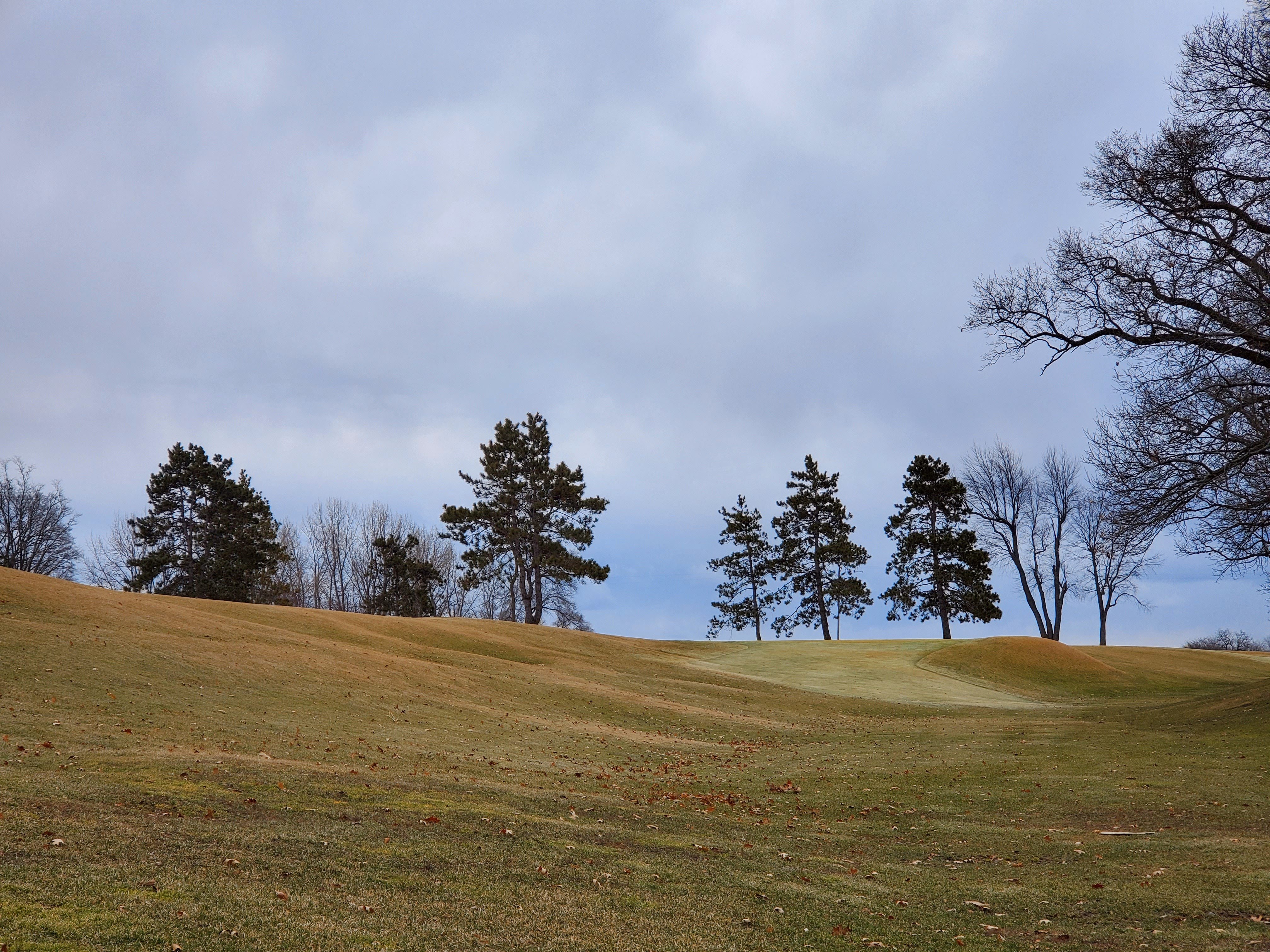
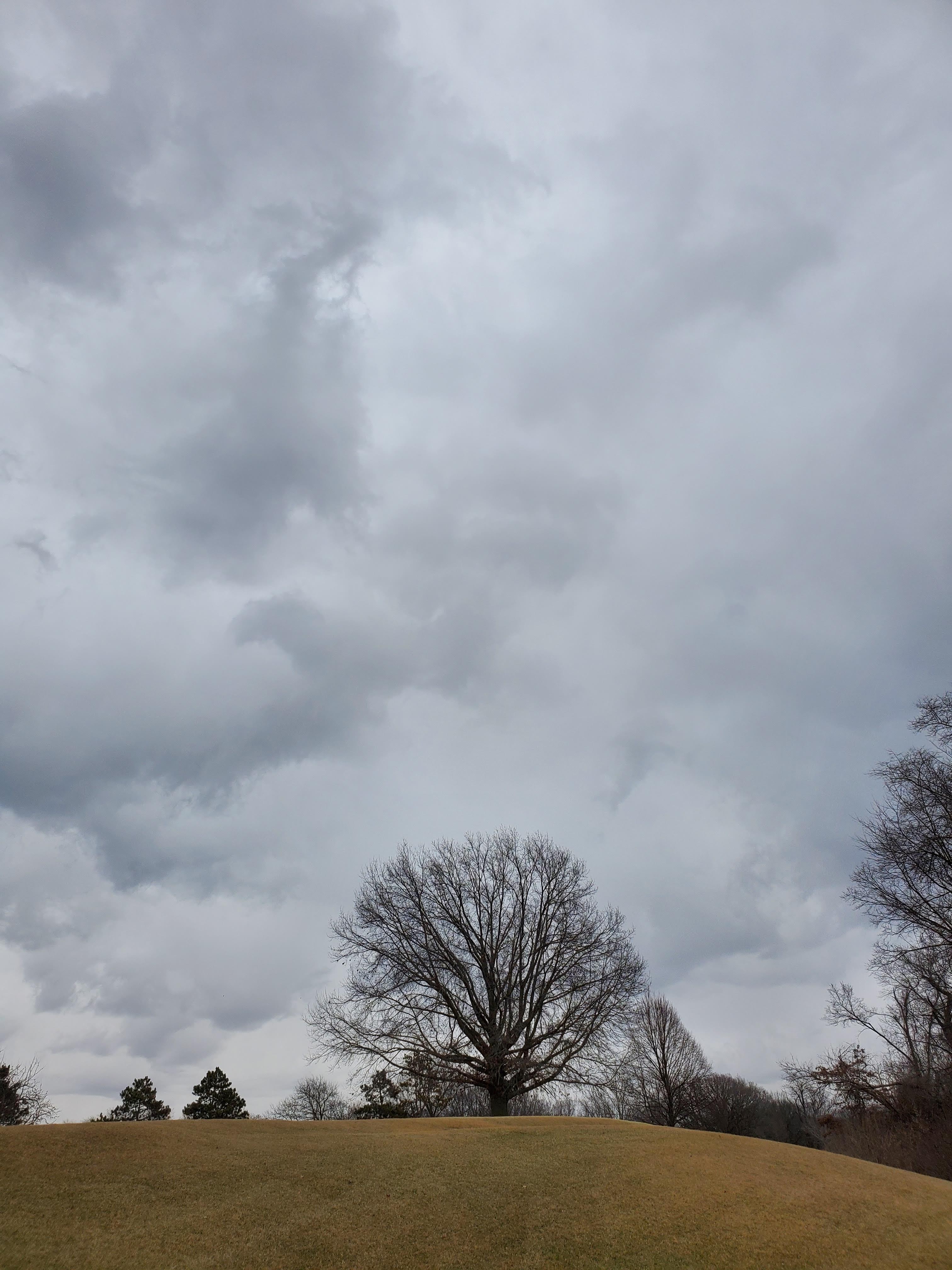

I considered the gray day an appropriate metaphor for lives afflicted by cancer, injury and disease, injustice and abuse, theft and destruction, or hatred and rejection. I thought the scenery was also aptly representative of our nation’s political and cultural landscape.
Today, I took another look at the photos, and contemplated the biblical book of Lamentations. Its author is widely considered to be the prophet Jeremiah. In it, Jeremiah is … well, he is lamenting.
He is crying. Grieving. Moaning.
Jeremiah begins the third chapter, “I am the man who has seen affliction.”
He isn’t wrong to grieve — in fact he has good reason to do so. For twenty more verses he mourns the life that has become his. He describes darkness, grinding teeth, chains, evil, enemies, his wasting body, a soul bereft of peace.
Then, beginning in verse twenty-one …
21 But this I call to mind,
and therefore I have hope:
22 The steadfast love of the Lord never ceases;
his mercies never come to an end;
23 they are new every morning;
great is your faithfulness.
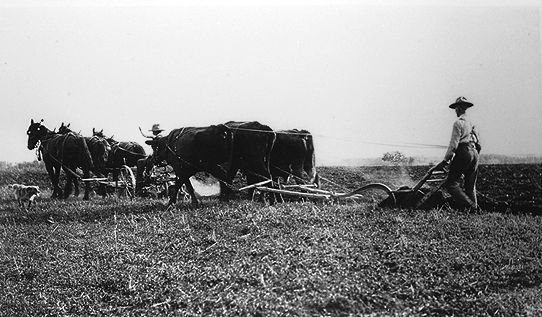
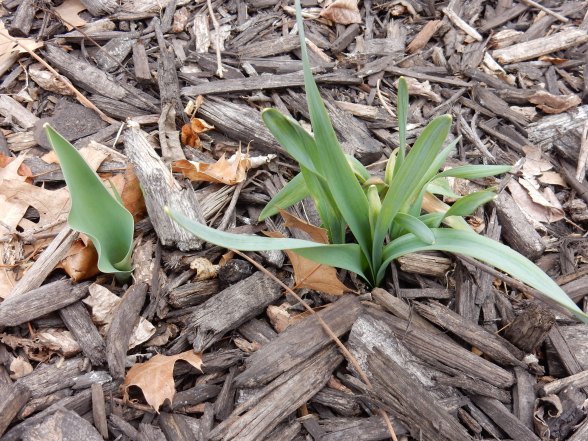
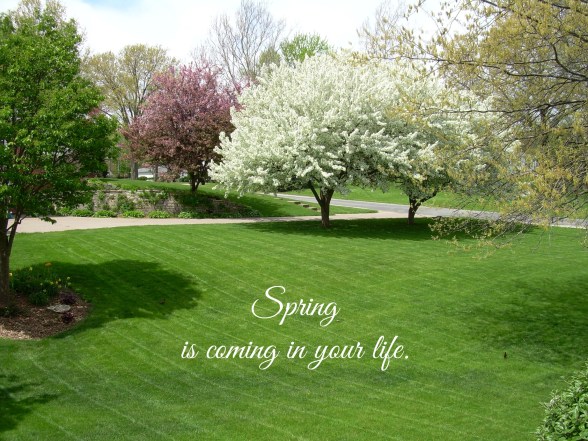
Now, take another look at those winter photos …
Strain, if you must, to see …
The color. The life. The warmth. The beauty. The hope.
Philippians 4: 8 Finally, brothers and sisters, whatever is true, whatever is noble, whatever is right, whatever is pure, whatever is lovely, whatever is admirable—if anything is excellent or praiseworthy—think about such things.
Advertisement

It’s not that life isn’t hard, unjust, worrisome, or painful. It truly can be daunting, even devastating. And it’s right to lament those things — in fact, it can be essential for a future of wholeness, clarity and wisdom — but, before the heaviness of all that is wrong in our personal or collective lives burdens us beyond recovery …
Take another look at life. Strain to see good. Search for it as for gold.
It would be a shame to overlook the true, the noble, the pure, the lovely precisely when we need it most.
And it would be a grave error to forget the author of hope in the darkest of days.









 Cindi Gale